
SVAN: Flying With a Trained Service Animal in the Cabin

Chris N
Chris started PetFlight in 2005 when he moved to Hawaii with his Retired Guide Dog, Brent. He created it to help people find pet travel information more easily. For nearly 20 years, he’s kept PetFlight up to date with the latest on pet travel incidents. Chris now lives in Utah, with his Retired Guide Dog, Missouri, and his rescue cat, Milo.
Chris N
Chris N
Chris started PetFlight in 2005 when he moved to Hawaii with his Retired Guide Dog, Brent. He created it to help people find pet travel information more easily. For nearly 20 years, he’s kept PetFlight up to date with the latest on pet travel incidents. Chris now lives in Utah, with his Retired Guide Dog, Missouri, and his rescue cat, Milo.
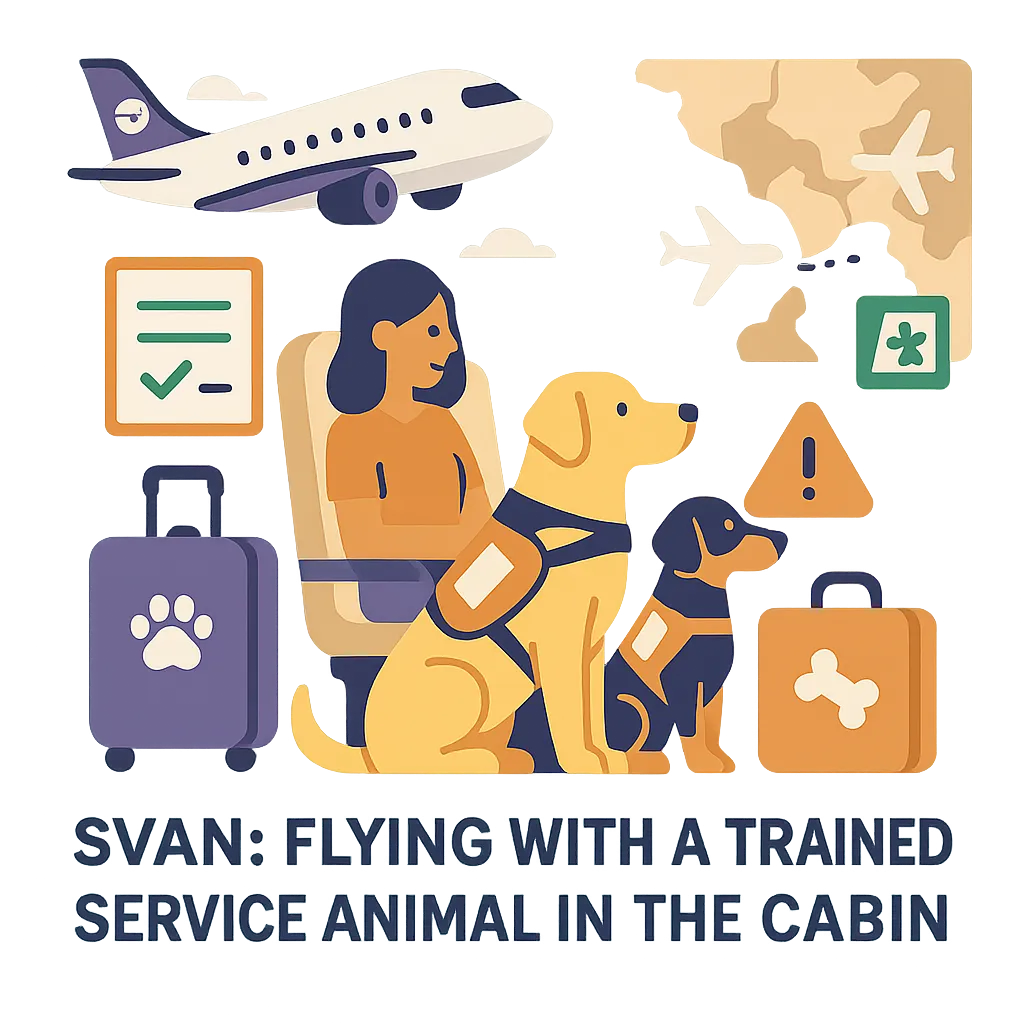
SVAN: Flying With a Trained Service Animal in the Cabin
If you fly with a service animal, the booking code that matters to you is SVAN — the Special Service Request (SSR) code airlines use to indicate that a passenger is traveling with a trained service animal in the cabin. Getting the code on your reservation is the easy part; knowing the paperwork, timing, and day-of-travel rules is what makes the trip go smoothly.
This guide explains what SVAN means, who qualifies, and the steps to take from booking to touchdown.
What SVAN Means
Airlines use short SSR codes in their reservation systems to flag special handling. The three animal-related codes are:
| Code | Stands For | What It Means |
|---|---|---|
| SVAN | Service Animal | A trained service animal traveling in the cabin with the passenger it assists, at no charge |
| PETC | Pet in Cabin | A pet traveling in an under-seat carrier, for a fee |
| AVIH | Animal Vivant in Hold | A pet or animal traveling in the pressurized cargo hold — see our AVIH guide |
The distinction matters: a service animal with a SVAN code travels in the cabin free of charge and outside the airline's pet limits, but it comes with documentation and behavior requirements that pets don't have.
Who Qualifies as a Service Animal
Under the U.S. Department of Transportation's Air Carrier Access Act rules, a service animal is a dog, regardless of breed or size, that is individually trained to do work or perform tasks for the benefit of a person with a disability — physical, sensory, psychiatric, intellectual, or other mental disability. Examples include guide dogs, hearing dogs, seizure-alert dogs, and psychiatric service dogs trained to perform specific tasks.
Two important boundaries:
- Emotional support animals no longer qualify. Since the DOT rule change that took effect in early 2021, U.S. airlines are not required to recognize ESAs as service animals, and virtually all of them now treat ESAs as ordinary pets (PETC rules and fees apply).
- Psychiatric service dogs do qualify and are treated the same as any other service dog — the animal must be trained to perform a task, not simply provide comfort by its presence.
Step by Step: Flying With a Service Animal
1. Book your flight and add SVAN to the reservation
When you book (or immediately after), contact the airline or use its accessibility/service-animal page to have the SVAN code added to your reservation. Most airlines cap the number of service animals per passenger at two.
2. Complete the DOT Service Animal Air Transportation Form
U.S. airlines may require the DOT's standardized Service Animal Air Transportation Form, in which you attest to the animal's health, training, and behavior. Airlines can require it up to 48 hours before departure if your booking allows; if you book closer to departure, you can generally present it at the gate or check-in. Many airlines now accept the form through an online accessibility portal — check your carrier's process on our airline pages.
3. Add the relief attestation for long flights
For flight segments of 8 hours or more, airlines may also require the DOT Relief Attestation Form, confirming the animal either won't need to relieve itself or can do so in a sanitary way.
4. Prepare your animal's paperwork and gear
- Current rabies vaccination and health records (bring copies)
- Harness, leash, or tether — required in the airport and on board
- Any destination-specific documents: international flights and Hawaii have their own animal import rules, quarantine requirements, and timelines that can take weeks or months, so start early
5. Plan the airport experience
- Arrive early — airlines may ask you to check in at the counter rather than online
- Locate the airport's service animal relief areas before you travel; U.S. airports are required to provide them, and our airport relief area directory lists locations and whether they're inside or outside security
- Limit food and water in the hours before boarding, and give your dog a relief break as close to boarding as practical
6. Know the rules on board
- Your service animal must fit on the floor within your foot space (larger dogs can partially extend under the seat in front) — it may not occupy a seat or block the aisle
- Bulkhead rows offer more floor space but no under-seat area; choose what suits your dog
- The animal must remain harnessed or leashed and under your control; airlines may deny boarding to an animal that growls, lunges, or relieves itself inappropriately
7. On arrival
Head for the nearest relief area — arrivals-level locations are listed in our relief area directory. For international arrivals, have your animal's documents ready for inspection.
Common Problems and How to Avoid Them
- Forms submitted late. If your airline requires the DOT form 48 hours out, submitting it the night before can mean gate-side delays. Do it when you book.
- Connecting itineraries that cross the 8-hour line. A single long segment triggers the relief attestation — check segment lengths, not total trip time.
- International surprises. Some countries require microchips, rabies titer tests, or advance import permits with long lead times. The airline's SVAN acceptance does not waive the destination country's rules.
- Untrained animals. Airlines can refuse animals that aren't under control. If your dog is still in training, most carriers treat it as a pet until training is complete.
More Resources
Related Resources
Need Help?
Have questions about pet air travel? Visit our FAQ page or explore our comprehensive guides.
View FAQsYou Might Also Like
March 2026 Airline Pet Travel Report
Happy to report there were no pet incidents for the travel month of January 2026!
2025 Airline Pet Travel Summary
In 2025, U.S. airlines reported 8 pet-related air travel incidents — down 33% from the 12 recorded the prior year. The year's incidents spanned four carriers: Alaska Airlines led with 3 incidents, including 2 deaths, followed by American Airlines with 3 incidents including the year's only reported pet loss. Delta and United Airlines each recorded 1 incident. Deaths fell sharply from 8 in 2024 to 3 in 2025, though the year closed on a somber note with the December death of Meli, a three-year-old Golden Retriever, on an Alaska Airlines flight in Seattle.
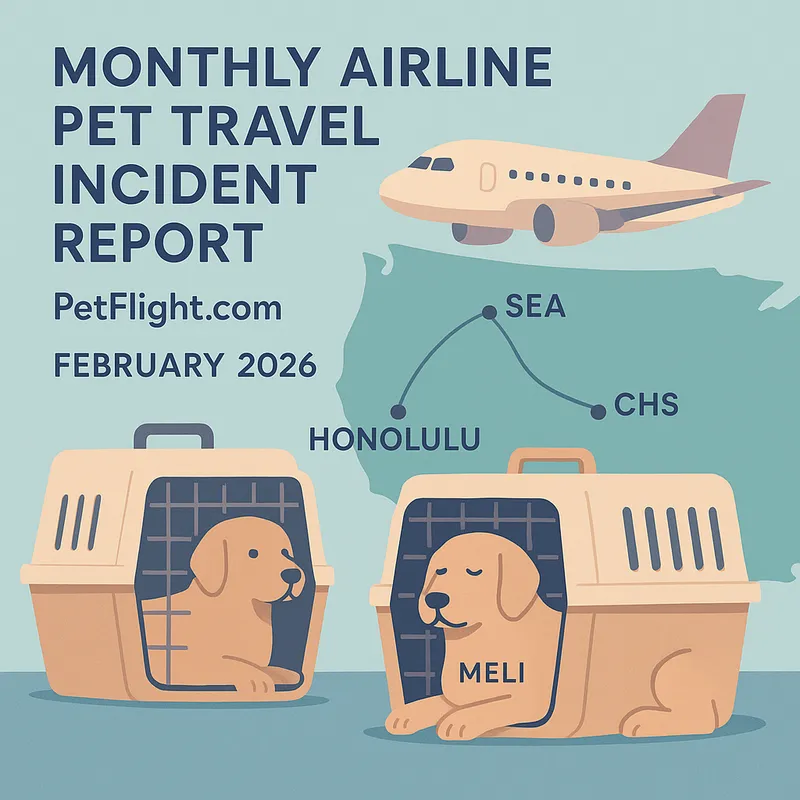
February 2026 Airline Pet Travel Report
December 2025 Animal Transport Consumer Report This month we have one incident to report, from Alaska Airlines. Alaska Airlines reported the...
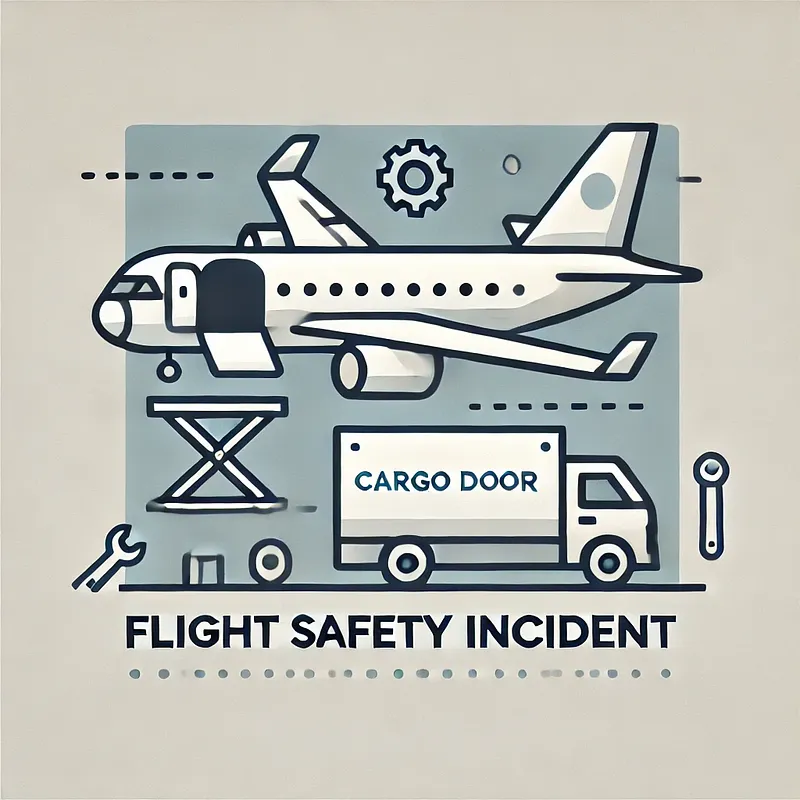
Alaska Airlines Cargo Door Arrives Open While Transporting Pets
On March 8, 2024, Alaska Airlines Flight 1423 departed Los Cabos, Mexico and arrived in Portland, Oregon with its cargo door unsealed and cracked open. The cargo hold was transporting passenger's pets, thankfully none of the animals were injured. The Alaska Airlines maintenance team inspected the aircraft, replaced a spring in the door, tested it and reentered it into service. This is a Boeing 737-800 (twin-jet) B738, Tail Number N513AS. Just weeks after a door plug blew off mid-air during Alaska Airlines Flight 1282 from Portland, Oregon to Ontario, California, Alaska Airlines sued Boeing for $1B over plane safety.
July 2026 Airline Pet Travel Report
This month we have one death to report. On May 16, 2026, a French Bulldog named Guapo passed away while traveling as cargo on Alaska Airlines...
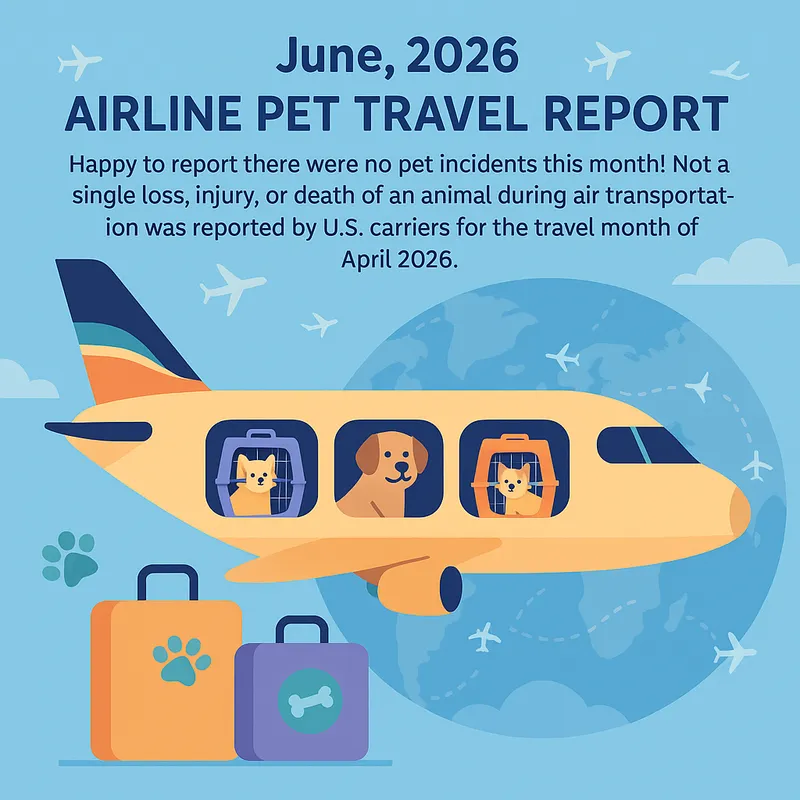
June 2026 Airline Pet Travel Report
Happy to report there were no pet incidents this month! Not a single loss, injury, or death of an animal during air transportation was reported...