
Airline Pet Policies Compared: In-Cabin and Cargo Options (2026)

Chris N
Chris started PetFlight in 2005 when he moved to Hawaii with his Retired Guide Dog, Brent. He created it to help people find pet travel information more easily. For nearly 20 years, he’s kept PetFlight up to date with the latest on pet travel incidents. Chris now lives in Utah, with his Retired Guide Dog, Missouri, and his rescue cat, Milo.
Chris N
Chris N
Chris started PetFlight in 2005 when he moved to Hawaii with his Retired Guide Dog, Brent. He created it to help people find pet travel information more easily. For nearly 20 years, he’s kept PetFlight up to date with the latest on pet travel incidents. Chris now lives in Utah, with his Retired Guide Dog, Missouri, and his rescue cat, Milo.
Airline Pet Policies Compared: In-Cabin and Cargo Options (2026)
Every airline sets its own rules for flying with a pet — and they differ more than most travelers expect. Some carriers welcome cats and small dogs in the cabin but refuse to carry any animal in the hold. Others run full cargo programs for larger pets. Fees, carrier dimensions, breed restrictions, and route limits all vary, and policies change frequently.
This guide compares how the major U.S. carriers handle pet travel and links to our detailed, regularly updated policy page for each airline.
Quick Comparison
| Airline | In-Cabin Pets | Pets in Hold (AVIH/Cargo) | Full Policy |
|---|---|---|---|
| Alaska Airlines | Yes | Cargo options available — see policy | Alaska Airlines pet policy |
| American Airlines | Yes | Limited — see policy | American Airlines pet policy |
| Breeze Airways | Yes | In-cabin only | Breeze pet policy |
| Delta | Yes | Limited — see policy | Delta pet policy |
| Frontier Airlines | Yes | In-cabin only | Frontier pet policy |
| Hawaiian Airlines | Yes | Cargo options available — see policy | Hawaiian Air pet policy |
| JetBlue Airways | Yes | In-cabin only | JetBlue pet policy |
| Southwest | Yes | In-cabin only | Southwest pet policy |
| United Airlines | Yes | Limited — see policy | United Airlines pet policy |
Policies change often — airlines suspend and reinstate cargo programs, adjust fees, and add seasonal embargoes. Always confirm on the airline's policy page (linked above) before booking.
How to Read an Airline Pet Policy
When you compare policies, these are the details that actually decide whether your trip works:
- In-cabin vs. hold. In-cabin (code PETC) means your pet rides under the seat in front of you. Hold travel (code AVIH) means a crate in the pressurized cargo compartment. If your pet plus carrier can't fit under a seat, you need a carrier that offers hold or cargo transport. Read more in our guide to what AVIH means.
- Carrier size limits. In-cabin maximums differ by airline and sometimes by aircraft. A carrier that fits under a seat on one plane may not fit on a smaller regional jet.
- Pet fees. In-cabin pet fees are charged each way, per carrier. Hold and cargo transport costs more. Fees change frequently, so check the airline page for current amounts.
- Breed restrictions. Most carriers restrict or ban brachycephalic (snub-nosed) breeds from the hold because of their elevated risk — see our brachycephalic dog death data for why.
- Route and seasonal limits. International flights, Hawaii's quarantine rules, and summer/winter temperature embargoes can all rule out hold travel on specific dates.
- Animal limits per flight. Airlines cap the number of pets per cabin and per hold. Reserve your pet's spot when you book your own ticket, not after.
Best Options for In-Cabin Pets
If your pet fits comfortably in an under-seat carrier, you have the most choices — every major U.S. carrier accepts in-cabin cats and dogs on most domestic routes. Our carry-on pet airlines list tracks which airlines allow cabin pets and under what conditions.
For cabin travel, the practical differences between airlines come down to fee, maximum carrier dimensions, whether pets are allowed on international segments, and how early the pet spots sell out.
If Your Pet Must Travel in the Hold
Larger dogs and pets that can't fit under a seat need an airline that still offers hold (AVIH) or cargo transport — and that list has been shrinking for years. Several low-cost carriers (Southwest, JetBlue, Frontier, Breeze) accept pets in the cabin only. Legacy carriers have repeatedly suspended, restricted, or restructured their cargo pet programs, and some now limit hold travel to military families or run it only through their cargo divisions.
Before planning a trip around hold travel:
- Check the airline's current policy page (linked in the table above)
- Review that airline's pet incident history — U.S. carriers must report animal losses, injuries, and deaths to the DOT, and we publish every report
- Read our safety guidelines for hold travel, especially for snub-nosed breeds
Booking Checklist
- [ ] Confirm the airline's current pet policy on its policy page
- [ ] Reserve your pet's spot at the same time you book your ticket
- [ ] Verify carrier/crate dimensions against the airline's limits
- [ ] Schedule a vet visit for a health certificate if required
- [ ] Check destination requirements (Hawaii and international routes have their own rules)
- [ ] Book direct flights where possible
- [ ] Recheck the policy a week before departure — they change
Keep Exploring
- All airline pet policies — the full list, including carriers that have ceased operations
- Airlines that allow carry-on pets
- Airline pet travel incident reports
- Find an emergency vet near your destination
Related Resources
Need Help?
Have questions about pet air travel? Visit our FAQ page or explore our comprehensive guides.
View FAQsYou Might Also Like
2024 Airline Pet Travel Summary
In 2024, the U.S. Department of Transportation (DOT) documented 12 pet-related air travel incidents, comprising 4 injuries and 8 deaths, with no reported losses.
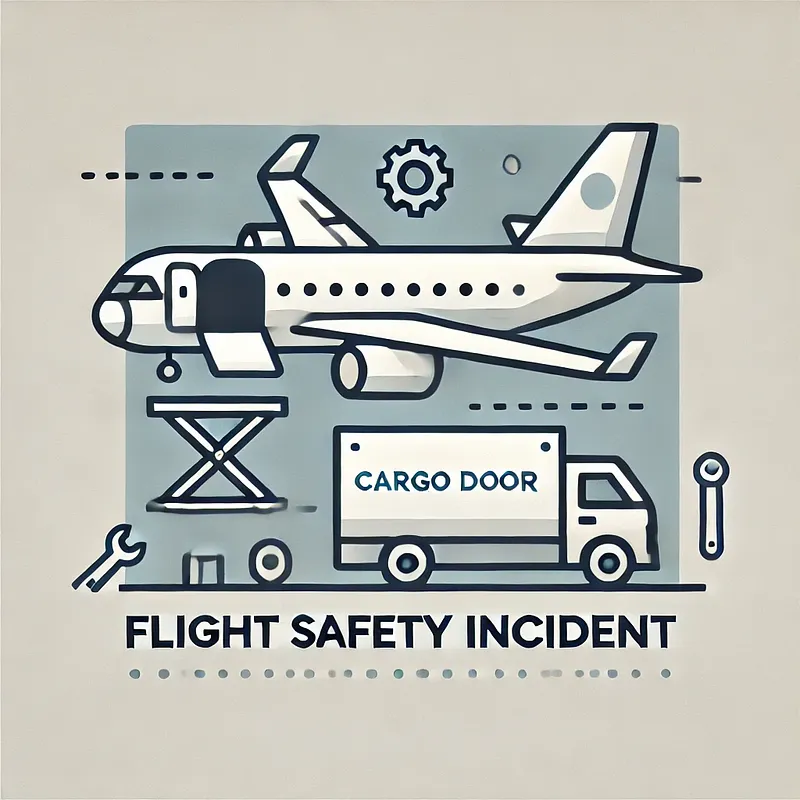
Alaska Airlines Cargo Door Arrives Open While Transporting Pets
On March 8, 2024, Alaska Airlines Flight 1423 departed Los Cabos, Mexico and arrived in Portland, Oregon with its cargo door unsealed and cracked open. The cargo hold was transporting passenger's pets, thankfully none of the animals were injured. The Alaska Airlines maintenance team inspected the aircraft, replaced a spring in the door, tested it and reentered it into service. This is a Boeing 737-800 (twin-jet) B738, Tail Number N513AS. Just weeks after a door plug blew off mid-air during Alaska Airlines Flight 1282 from Portland, Oregon to Ontario, California, Alaska Airlines sued Boeing for $1B over plane safety.
March 2026 Airline Pet Travel Report
Happy to report there were no pet incidents for the travel month of January 2026!
February 2026 Airline Pet Travel Report
December 2025 Animal Transport Consumer Report This month we have one incident to report, from Alaska Airlines. Alaska Airlines reported the...
2025 Airline Pet Travel Summary
In 2025, U.S. airlines reported 8 pet-related air travel incidents — down 33% from the 12 recorded the prior year. The year's incidents spanned four carriers: Alaska Airlines led with 3 incidents, including 2 deaths, followed by American Airlines with 3 incidents including the year's only reported pet loss. Delta and United Airlines each recorded 1 incident. Deaths fell sharply from 8 in 2024 to 3 in 2025, though the year closed on a somber note with the December death of Meli, a three-year-old Golden Retriever, on an Alaska Airlines flight in Seattle.
July 2026 Airline Pet Travel Report
This month we have one death to report. On May 16, 2026, a French Bulldog named Guapo passed away while traveling as cargo on Alaska Airlines...